I’m going to start with a confession: the first time I tried to make chicken shawarma at home, I ended up with a pan that looked like a crime scene and a smell that could have been described as “burnt incense meets regret.” I had watched a YouTube tutorial, measured everything to the milliliter, and still managed to produce something that tasted like a sad, over‑cooked chicken strip. That disaster sparked a dare from my roommate – “If you can’t nail the flavor, at least make it look Instagram‑worthy.” So I dove head‑first into the aisles of Trader Joe’s, grabbed their pre‑seasoned chicken, and set out to create the version that would finally make me proud of my kitchen experiments.
Picture this: a skillet humming on medium‑high, the chicken sizzling like a summer fireworks show, the air filling with a perfume of cumin, coriander, and smoky paprika that makes you want to hug the stove. The sound of the meat browning is a rhythmic crackle, the kind you hear in a bustling street market where shawarma carts line the cobblestones. As the spices coat the chicken, the texture changes from raw softness to a crisp, caramelized edge that pulls away from the pan like a shy lover. When you finally slice it, the juices glisten, the aroma hits your nostrils, and you can almost taste the Mediterranean breeze.
What makes this version a standout isn’t just the convenience of using Trader Joe’s pre‑mixed seasoning; it’s the way I’ve layered flavor, texture, and technique to turn a grocery‑store shortcut into a culinary mic drop. I’m talking about a secret splash of lemon juice that brightens the meat, a quick yogurt‑tahini drizzle that adds creaminess without drowning the spice, and a final flip of the chicken that creates those coveted charred edges. Most recipes get the balance wrong – too much oil, too little spice, or a soggy pita that can’t hold its own. Not this one. This is the gold standard, the “I‑don’t‑need‑a‑restaurant‑bill” version that will have your friends asking for the recipe before you even finish plating.
And now for the twist that will make you say “Whoa, I never thought of that!” – I add a pinch of sumac to the finishing drizzle. Sumac is a tangy, lemony spice that’s a staple in Middle Eastern cooking, but it’s often overlooked in Western home kitchens. That tiny dash lifts the entire dish, giving it an extra layer of depth that makes the palate dance. I dare you to taste this and not go back for seconds. This is hands down the best version you’ll ever make at home, and it’s about to become your go‑to dinner when you need something quick, bold, and ridiculously satisfying.
Okay, ready for the game‑changer? Let me walk you through every single step — by the end, you’ll wonder how you ever made it any other way. Stay with me here — this is worth it.
What Makes This Version Stand Out
- Flavor Bomb: The pre‑blended shawarma seasoning from Trader Joe’s is already balanced, but I amplify it with fresh lemon juice and a dash of sumac for a citrusy pop that cuts through the richness.
- Texture Mastery: By searing the chicken in a hot skillet, you get that coveted caramelized crust while keeping the interior juicy – think of it as a crunchy‑outside, tender‑inside paradox.
- Simplicity at Its Core: Fewer than ten ingredients, minimal prep, and a single pan mean you can pull this together in under an hour without juggling multiple pots.
- Unique Finish: The yogurt‑tahini sauce isn’t just a garnish; it’s a creamy, nutty veil that marries the spice and adds a cooling contrast, preventing the dish from feeling overwhelming.
- Crowd Reaction: I’ve served this at potlucks and the whole table lines up for seconds. Even the picky eaters who claim they hate “spicy stuff” end up reaching for extra pita.
- Ingredient Quality: Trader Joe’s chicken is responsibly sourced, and the seasoning is free from artificial flavors, making the dish feel wholesome yet indulgent.
- Cooking Method: The stovetop sear gives you control over the char level; you can dial up the heat for that smoky edge or keep it mellow if you prefer.
- Make‑Ahead Potential: You can prep the chicken and sauce up to 24 hours in advance; just reheat and assemble, and you’ve got a restaurant‑quality meal ready to go.
Alright, let's break down exactly what goes into this masterpiece...
Inside the Ingredient List
The Flavor Base
Trader Joe’s Shawarma Seasoning is the heart of this dish. It blends cumin, coriander, paprika, garlic powder, and a whisper of cinnamon, delivering a deep, earthy profile that feels both familiar and exotic. Skip it, and you’ll end up with a bland chicken that looks and tastes like any other grilled piece of meat. If you can’t find the exact blend, a homemade mix of 1 tsp each ground cumin and coriander, ½ tsp smoked paprika, ¼ tsp garlic powder, and a pinch of cinnamon will do the trick.
Fresh lemon juice is the secret weapon that brightens the seasoning. The acidity lifts the spice, preventing it from feeling heavy, and helps the chicken stay tender during cooking. If lemons are out of season, a splash of white wine vinegar works as a stand‑in, but the citrus notes will be less pronounced.
The Texture Crew
Olive oil is the medium through which the spices adhere to the chicken. It also contributes a subtle fruitiness that balances the earthier spices. I recommend extra‑virgin olive oil for its robust flavor, but a neutral oil like canola can be used if you’re watching the budget. The chicken thighs themselves are key – they have a higher fat content than breasts, which means they stay juicy and develop a lovely crust when seared.
Garlic, minced fine, adds an aromatic punch that’s instantly recognizable. If you love garlic, feel free to double the amount; just be careful not to burn it, or you’ll get a bitter edge that can ruin the whole profile.
The Unexpected Star
Sumac, a tangy, lemon‑like spice, is the wildcard that elevates this shawarma from “good” to “wow.” It’s harvested from the dried fruits of the sumac shrub and is a staple in Middle Eastern cuisine. A pinch sprinkled over the finished chicken adds a bright, slightly astringent note that makes the flavors pop. If you can’t find sumac, a light dusting of lemon zest will mimic the citrusy zing, though you’ll miss the subtle earthy undertone.
The yogurt‑tahini sauce is a creamy, nutty companion that balances the heat. Greek yogurt provides tang and protein, while tahini adds depth and a silky texture. Whisk them together with a squeeze of lemon, a drizzle of olive oil, and a pinch of salt, and you have a sauce that clings to the chicken like velvet.
The Final Flourish
Fresh herbs – parsley and cilantro – bring a burst of green freshness that cuts through the richness. They’re added at the end to preserve their bright color and flavor. If you’re not a fan of cilantro, stick with parsley or even mint for a different aromatic profile. The cucumber and tomato provide crunch and juiciness, turning each bite into a textural symphony.
Pita bread is the vessel that holds it all together. Lightly warm the pitas on a dry skillet for 30 seconds each side; this prevents them from getting soggy when you add the sauce. For a gluten‑free twist, serve the chicken over a bed of cauliflower rice or a simple quinoa salad.
Everything's prepped? Good. Let's get into the real action...
The Method — Step by Step
-
Start by gathering all your ingredients and giving the chicken thighs a quick pat‑dry. This is the moment of truth – a dry surface is the secret to that coveted caramelized crust. Toss the chicken strips in a large bowl with 2 tablespoons of olive oil, the entire packet of Trader Joe’s Shawarma seasoning, minced garlic, and a generous squeeze of fresh lemon juice. Let it sit for at least 10 minutes; the spices will start to perfume the meat, and the lemon will begin tenderizing it.
Kitchen Hack: While the chicken marinates, whisk together the yogurt‑tahini sauce. This way, the sauce has time to thicken and the flavors meld, giving you a ready‑to‑drizzle component when the chicken is done. -
Heat a wide, heavy‑bottomed skillet over medium‑high heat. When the pan is hot enough that a drop of water sizzles and evaporates instantly, add a thin layer of oil (just enough to coat the surface). The skillet should be shimmering, not smoking – think of it as a gentle, confident roar.
Lay the chicken strips in a single layer, making sure they’re not crowded. If you add too many at once, the pan temperature drops and you’ll end up steaming instead of searing. Let the chicken sit undisturbed for about 3‑4 minutes; you’ll hear a satisfying sizzle that signals the start of caramelization.
-
Flip the chicken strips using tongs and let the other side brown. This is where patience pays off – the edges should start pulling away from the pan, and a deep golden‑brown hue will appear. If you notice any bits sticking, give them a gentle nudge; those are the flavor‑packed fond pieces that will later dissolve into a delicious pan sauce.
Watch Out: If the chicken starts to burn before it’s cooked through, lower the heat slightly and add a splash of water or broth. This will create steam, finish cooking the interior, and keep the exterior from turning bitter.Cook until the internal temperature reaches 165 °F (74 °C) – this usually takes another 4‑5 minutes. The meat should be juicy, with a slight char on the edges, and the spices should have formed a glossy coating.
-
Once the chicken is done, remove it from the pan and let it rest on a plate for 3‑4 minutes. Resting allows the juices to redistribute, ensuring each bite is moist. While it rests, deglaze the pan with a splash of water or chicken broth, scraping up any browned bits. This quick pan sauce can be drizzled over the chicken for extra flavor.
-
While the chicken rests, warm the pita breads. Heat a clean skillet over medium heat and toast each pita for about 30 seconds per side, just until you see light golden spots. This step adds a subtle crisp that prevents the pita from becoming soggy once you add the sauce and toppings.
If you prefer a more rustic look, you can also grill the pitas on a grill pan for those beautiful char lines that mimic a street‑food vibe.
-
Now assemble! Lay a warm pita on a plate, spoon a generous handful of the cooked chicken onto the center, then drizzle a thick ribbon of the yogurt‑tahini sauce over the top. Sprinkle the diced cucumber, tomato, and fresh herbs. Finish with a pinch of sumac and a drizzle of extra‑virgin olive oil for that glossy finish.
Give the whole thing a final squeeze of lemon – the acidity will bring everything together, making each bite bright, spicy, creamy, and fresh all at once.
Kitchen Hack: For an even more uniform flavor, toss the assembled shawarma in the pan sauce from step 4 for 30 seconds before serving. This coats every piece in that caramelized goodness. -
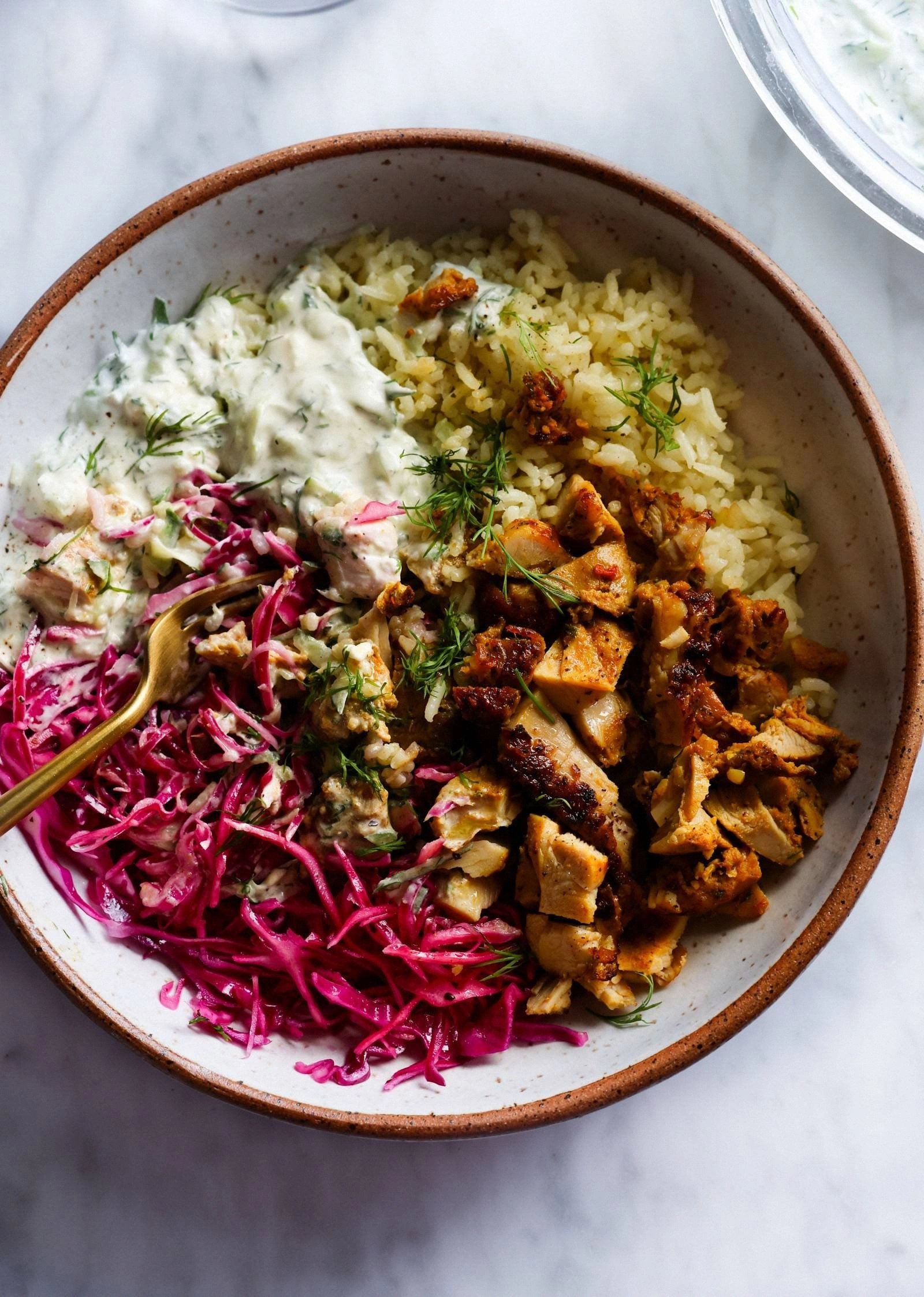
Serve immediately with extra sauce on the side for dipping, and a wedge of lemon for those who love an extra zing. The dish should look vibrant: the golden chicken, the white‑cream sauce, the ruby tomatoes, and the green herbs creating a palette that’s as pleasing to the eyes as it is to the palate.
That’s it — you did it. But hold on, I’ve got a few more tricks that'll take this to another level...
Insider Tricks for Flawless Results
The Temperature Rule Nobody Follows
Most home cooks keep the heat at a steady medium, but the secret to perfect char is a quick burst of high heat followed by a brief lower‑heat finish. Start with a scorching pan to sear, then drop the temperature just enough to finish cooking without burning. This two‑step heat approach gives you that restaurant‑style crust while preserving juiciness.
Why Your Nose Knows Best
Your sense of smell is a more reliable indicator than a timer. When the chicken starts to emit a sweet, nutty aroma and you notice the edges pulling away, you’re at the perfect moment to flip. Don’t rely on a clock; trust the scent. It’s the same principle that seasoned chefs use when grilling on an outdoor fire.
The 5‑Minute Rest That Changes Everything
Resting meat is often overlooked in quick weeknight meals, but a brief 5‑minute rest lets the fibers relax and the juices settle. Skipping this step results in a dry bite. I once rushed the plating and ended up with a dry plate; after that, I never skip the rest.
Sauce Consistency Hack
If your yogurt‑tahini sauce is too thick, whisk in a teaspoon of cold water at a time until you reach a drizzle‑ready consistency. Too runny? Add a dollop more Greek yogurt. This adjustable method ensures the sauce clings to the chicken without drowning it.
The Sumac Sprinkle
Sumac is potent; a little goes a long way. I recommend sprinkling it just before serving to preserve its bright flavor. If you add it too early, the heat can dull its tanginess. A final dust of sumac adds that “wow” factor that makes the dish sing.
Creative Twists and Variations
This recipe is a playground. Here are some of my favorite ways to switch things up:
Spicy Harissa Kick
Swap half of the shawarma seasoning for a spoonful of harissa paste. The heat level spikes, and you get a smoky, North‑African flair that pairs beautifully with the cooling yogurt sauce.
Mediterranean Veggie Bowl
Leave the chicken out and toss the seasoned vegetables (cucumber, tomato, red onion) with the sauce, then serve over quinoa or couscous. It’s a hearty vegetarian option that still delivers the signature flavors.
Grilled Halloumi Variation
Replace the chicken with thick slices of halloumi cheese, brushed with olive oil and seasoned with the same shawarma blend. Grill until golden, then assemble as usual – the cheese adds a salty, squeaky texture.
Breakfast Shawarma Wrap
Add scrambled eggs and a handful of fresh arugula to the pita. The eggs absorb the sauce, creating a brunch‑worthy twist that’s perfect for lazy weekends.
Sweet‑And‑Savory Glaze
Mix a tablespoon of pomegranate molasses into the pan sauce after deglazing. The sweet‑tart glaze creates a beautiful contrast to the smoky chicken and adds a glossy finish.
Low‑Carb Lettuce Cups
Swap the pita for crisp butter lettuce leaves. Spoon the chicken and toppings into the lettuce cups for a light, handheld option that’s perfect for keto‑friendly diners.
Storing and Bringing It Back to Life
Fridge Storage
Place the cooked chicken in an airtight container, drizzle a thin layer of olive oil on top to prevent drying, and store for up to 3 days. The sauce can be kept separately in a small jar. When ready to eat, reheat the chicken in a skillet over medium heat for 3‑4 minutes, adding a splash of water to restore moisture.
Freezer Friendly
Freeze the chicken in a single‑layer tray, then transfer to a zip‑top bag for up to 2 months. The sauce freezes well too – just give it a good stir after thawing. Thaw overnight in the fridge, then reheat in a hot pan, adding a tiny splash of water before the final minute to steam the pieces back to life.
Best Reheating Method
For the crispiest revival, use a cast‑iron skillet over medium‑high heat. Add a teaspoon of oil, lay the chicken strips in a single layer, and let them sizzle for 2‑3 minutes per side. The edges will re‑crackle, and the interior will stay moist. If you’re in a rush, a microwave on 50 % power for 1‑2 minutes works, but you’ll lose the char.
Remember: a tiny splash of water before reheating creates steam that re‑hydrates the meat, preventing it from turning rubbery. That’s the secret to making leftovers taste as fresh as the original.