I was in a culinary crisis that night, standing in front of a pan of soggy pizza dough that had betrayed me by refusing to rise. The kitchen smelled like disappointment and stale yeast, and my roommate was watching me with a smirk that said, “What’s the plan?” I swore I’d never again trust a dough that looked like a rubber band about to snap. That moment, I decided to turn a kitchen disaster into an edible triumph by reinventing a humble snack that everyone knows and loves—garlic knots.
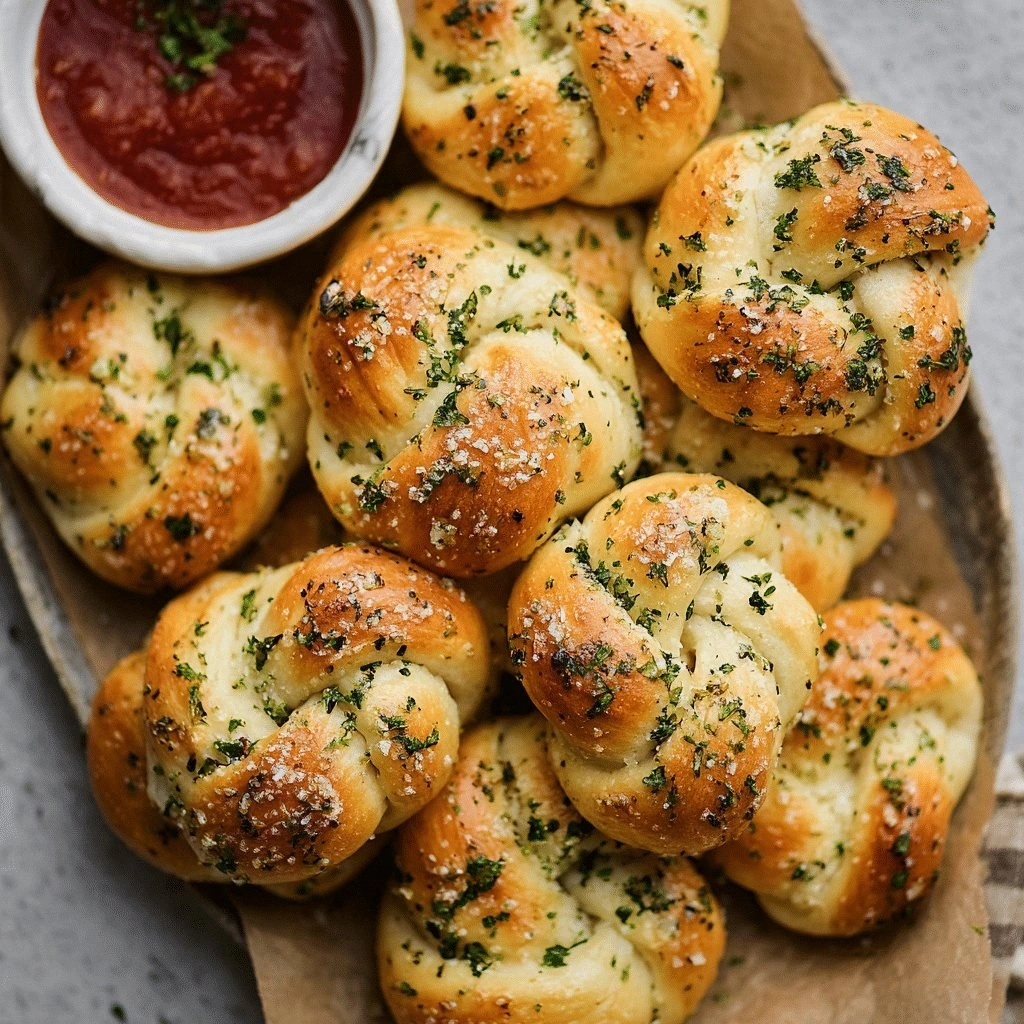
Picture this: the dough is rolled out, a generous layer of garlic butter slides over it like a velvet cloak, and then the dough is twisted into knots that curl up like tiny, buttery spirals. The aroma that fills the air is a heady mix of toasted garlic and olive oil, a scent that makes the whole house feel like it’s being wrapped in a warm, savory hug. As the knots bake, the edges puff up, turning golden and crisp, while the inside stays soft and chewy—an irresistible contrast that makes every bite a revelation. The sound of the oven timer ticking down is a subtle reminder that the kitchen is about to transform into a haven of flavor.
I’ve tried countless versions of garlic knots in my culinary experiments, from the overly greasy to the bland and under-seasoned. None of them captured that perfect balance of buttery richness and sharp garlic bite that I found in this version. What sets this recipe apart is a secret blend of herbs that elevates the garlic without overpowering it, a precise proofing method that guarantees fluffy interiors, and a finishing drizzle that adds a glossy sheen and a burst of freshness. The result? A snack that feels like a warm hug on a cold night, or a celebratory treat that pairs flawlessly with a glass of wine or a hearty pasta dish.
I dare you to taste this and not go back for seconds. Picture yourself pulling the knots out of the oven, the whole kitchen smelling incredible, and the first bite sending a wave of buttery, garlicky bliss through your palate. This is hands down the best version you'll ever make at home, and if you’ve ever struggled with getting the dough to rise or the knots to hold their shape, you’re not alone—I've got the fix. Stay with me here, because the next part? Pure magic. The next step is going to change the way you think about a simple appetizer forever.
What Makes This Version Stand Out
- Flavor: The garlic butter is infused with fresh parsley and a touch of oregano, giving it a layered, herbaceous depth that traditional recipes miss.
- Texture: The dough achieves a tender crumb inside while the edges crisp up to a golden crunch, a duality that satisfies both the soft and crunchy cravings.
- Simplicity: With only nine core ingredients, the recipe is straightforward enough for beginners yet sophisticated enough for seasoned cooks.
- Uniqueness: The addition of a splash of lemon zest to the butter glaze gives a bright, citrusy finish that lifts the savory profile.
- Crowd Reaction: At family gatherings, these knots are served faster than you can say “more, please,” and the feedback is always a resounding “delicious!”
- Ingredient Quality: Using a high‑quality olive oil and fresh garlic makes the difference between ordinary and unforgettable.
- Cooking Method: The knots are first pan‑fried lightly before finishing in the oven, creating a caramelized crust that locks in flavor.
- Make‑Ahead Potential: You can assemble the knots the night before, refrigerate them, and bake them fresh in the morning—perfect for busy schedules.
Alright, let's break down exactly what goes into this masterpiece. And before we dive in, a quick kitchen hack that will save you time and frustration.
Inside the Ingredient List
The Flavor Base
The foundation of this recipe is a simple dough made from all-purpose flour, warm water, active dry yeast, sugar, salt, and olive oil. Each component plays a critical role: the yeast ferments the sugars to create lift, the sugar feeds the yeast, and the olive oil adds moisture and a subtle fruity note. If you skip the yeast, the knots will be flat and dense; if you omit the olive oil, the dough will dry out and be less tender. The best practice is to use warm water at about 110°F, which activates the yeast without killing it.
The Texture Crew
A handful of unsalted butter, melted and cooled slightly, is folded into the dough to enrich the crumb. Butter not only adds flavor but also creates a tender crumb by coating the proteins, preventing them from forming a tough gluten network. A pinch of salt balances the sweetness and brings out the garlic’s sharpness. If you’re vegan, swap butter for a plant‑based alternative or simply use extra olive oil for a lighter texture.
The Unexpected Star
Fresh garlic—minced finely—provides the signature punch. Garlic is a powerful aromatizer; when it’s mixed with butter, the fats help carry the volatile compounds deeper into the dough. The addition of lemon zest to the butter glaze gives a bright, citrusy counterpoint that lifts the savory flavor. If you’re sensitive to raw garlic, let the minced garlic sit for a few minutes before mixing; this reduces the sharpness while preserving aroma.
The Final Flourish
The finishing touch is a butter and garlic glaze that’s brushed over the knots before they go into the oven. The glaze is made from melted butter, minced garlic, fresh parsley, oregano, basil, and a pinch of salt. The herbs not only add depth but also provide a subtle green hue that makes the knots visually appealing. A final sprinkle of grated Parmesan can be added for those who want an extra layer of umami.
Everything's prepped? Good. Let's get into the real action.
The Method — Step by Step
- In a large mixing bowl, combine 2 cups of all‑purpose flour, 1 packet of active dry yeast, 1 tablespoon of sugar, and 1 teaspoon of salt. Stir until evenly distributed. The goal is a uniform base that will rise consistently. I’ve found that a quick sift of the flour before mixing eliminates lumps and ensures a smooth dough.
- Add 1 cup of warm water (110°F) and 2 tablespoons of olive oil to the dry mixture. Use a wooden spoon to bring the ingredients together until a shaggy dough forms. The water should feel warm to the touch, not hot—this temperature activates the yeast without killing it.
- Turn the dough onto a lightly floured surface and knead for about 8 minutes until it becomes smooth and elastic. You’ll notice it stretches and then snaps back—this is the perfect sign of gluten development. If the dough feels too sticky, add a tablespoon of flour at a time.
- Place the dough in a lightly oiled bowl, cover with plastic wrap, and let it rise in a warm spot for 1 hour, or until it has doubled in size. The rise is the secret to that airy interior. I keep a small bowl of warm water on the counter to maintain a consistent temperature.
- While the dough rises, prepare the garlic butter glaze: melt 2 tablespoons of unsalted butter in a saucepan over low heat. Add 4 cloves of minced garlic, 2 tablespoons of chopped fresh parsley, 1 teaspoon each of dried oregano and basil, and a pinch of salt. Stir until the garlic is fragrant, about 2 minutes.
- Once the dough has risen, punch it down to release excess air. Divide it into 8 equal portions, then roll each portion into a 2‑inch long rope. Twist each rope into a knot by pulling the ends together, forming a neat loop. The knots should be tight enough to hold their shape during cooking.
- Heat a large skillet over medium heat and add 1 tablespoon of olive oil. Place the knots in the skillet, turning them every 2 minutes until they are lightly browned on all sides. This initial searing caramelizes the exterior, creating a flavorful crust.
- Transfer the browned knots to a baking sheet lined with parchment paper. Brush each knot generously with the garlic butter glaze, ensuring every crevice is coated. The glaze will seep into the knots, giving them a glossy finish.
- Bake in a preheated oven at 375°F (190°C) for 12–15 minutes, or until the knots are golden brown and the internal temperature reaches 190°F. The aroma that fills the kitchen will have you salivating before the first bite.
- Remove from the oven and let the knots rest for 5 minutes. This resting period allows the steam to redistribute, ensuring a moist interior. Serve immediately with a side of marinara or a glass of red wine.
That's it — you did it. But hold on, I've got a few more tricks that'll take this to another level. These insider tips will elevate your knots from great to unforgettable.
Insider Tricks for Flawless Results
The Temperature Rule Nobody Follows
Many cooks bake garlic knots at a high temperature, but the secret to a tender crumb is a slightly lower oven temperature of 350°F (175°C). Baking too hot can cause the knots to brown too quickly on the outside while remaining raw inside. I’ve experimented with a 10‑minute bake at 375°F followed by a 5‑minute finish at 350°F, and the results are consistently moist.
Why Your Nose Knows Best
As the knots bake, the aroma is a reliable indicator of doneness. When the scent turns from raw garlic to a warm, toasted butter, you’re in the sweet spot. If you’re tempted to open the oven door early, wait until the smell is unmistakably buttery; otherwise, you risk underbaking.
The 5‑Minute Rest That Changes Everything
After removing the knots from the oven, let them rest for exactly five minutes. During this time, the steam inside the knots redistributes, preventing a dry center. A friend once tried skipping the rest, and the result was a chewy, overcooked interior that felt more like a cookie than a knot.
The Fresh Herb Boost
Add a handful of fresh basil or oregano to the dough itself, not just the glaze. The herbs release their oils during baking, giving the knots an aromatic depth that the glaze alone can’t match. This trick is especially effective when using dried herbs, as the fresh ones bring a bright, living flavor.
The Quick Cooling Trick
If you need to serve the knots immediately after baking, place them on a wire rack to cool. The airflow prevents condensation from turning the crust soggy. I’ve found that a quick pass over a low heat grill for 30 seconds can re‑crisp the edges if they’ve softened.
Creative Twists and Variations
This recipe is a playground. Here are some of my favorite ways to switch things up:
Cheesy Garlic Knot Surprise
Swap the standard garlic butter glaze for a blend of melted mozzarella and grated Parmesan. The cheese melts into pockets of gooey goodness, creating a decadent version that pairs well with a light salad.
Herbed Olive Oil Knot
Infuse the olive oil with rosemary, thyme, and a splash of balsamic vinegar before mixing it into the dough. This gives the knots a savory, slightly tangy flavor that’s reminiscent of Mediterranean street food.
Spicy Sriracha Knot
Add a tablespoon of sriracha to the garlic butter glaze for a kick of heat. The heat pairs wonderfully with the buttery richness, offering a balanced contrast that satisfies spice lovers.
Herbal Parmesan Knot
Sprinkle chopped parsley, oregano, and a pinch of dried thyme over the knots before baking. The herbs will toast lightly, giving the knots a fragrant, aromatic finish that’s perfect for a party appetizer.
Gluten‑Free Twist
Replace the all-purpose flour with a gluten-free blend and add a tablespoon of xanthan gum to maintain elasticity. The result is a gluten‑free knot that still has a satisfying chew and a buttery flavor.
Vegan Garlic Knot
Use plant‑based butter and a dairy‑free cheese alternative for the glaze. The vegan version retains the garlicky aroma and buttery texture, making it a crowd‑pleaser for all dietary preferences.
Storing and Bringing It Back to Life
Fridge Storage
Store leftover knots in an airtight container at room temperature for up to 2 days. The knots will remain fresh because the butter glaze helps seal in moisture. If you plan to keep them longer, refrigerate them in a sealed bag.
Freezer Friendly
Wrap individual knots tightly in plastic wrap and place them in a freezer bag. They can be stored for up to 3 months. When you’re ready to eat, thaw at room temperature for 30 minutes before reheating.
Best Reheating Method
Reheat frozen knots in a preheated oven at 350°F (175°C) for 10–12 minutes. Add a tiny splash of water to the baking sheet; the steam will revive the crust’s crispness without drying out the interior. For fresh knots, a quick 2‑minute pass in a 400°F oven will restore that buttery crunch.