
Indian Palak Curry
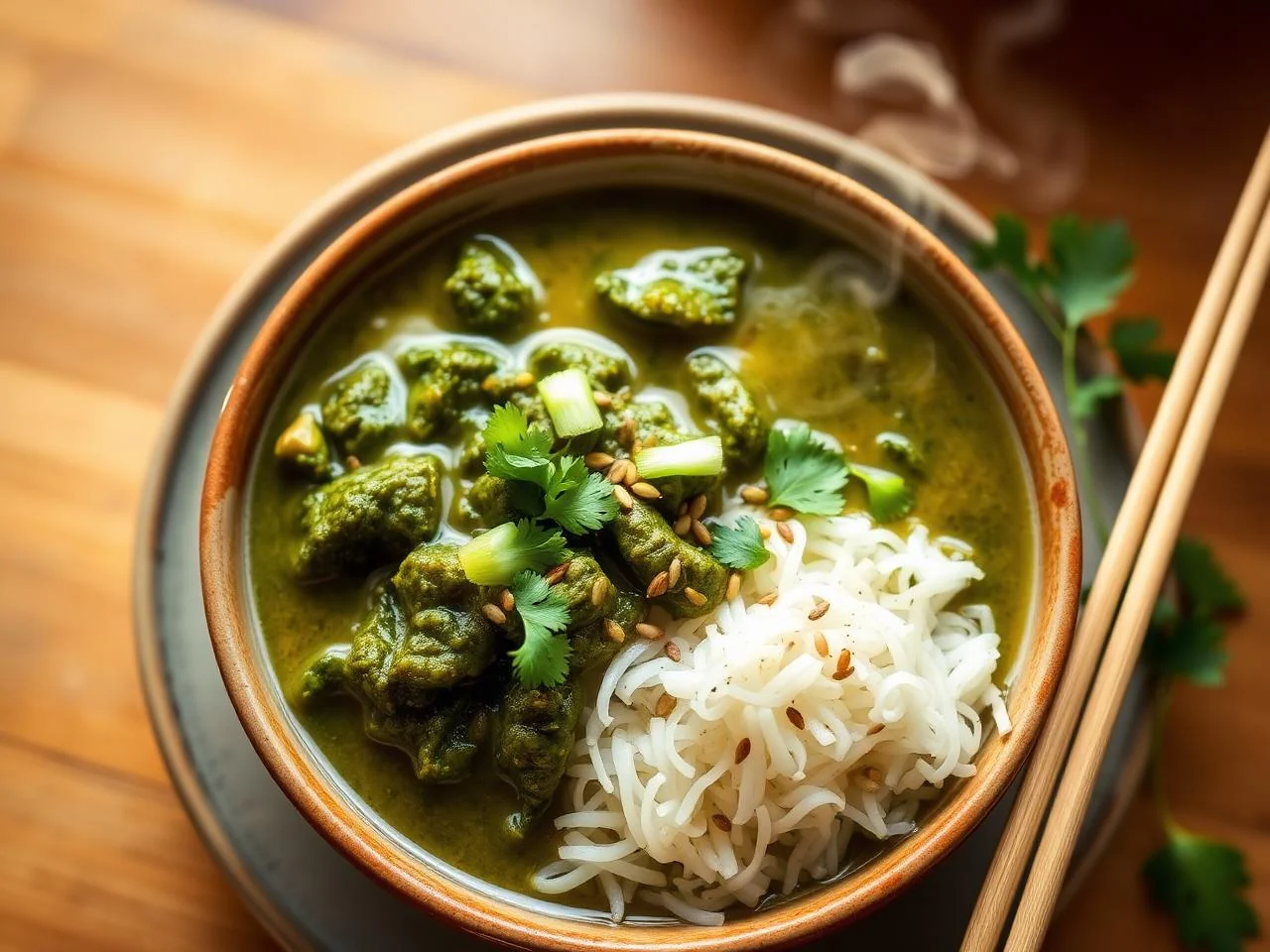
I still remember the first time I had Indian Palak Curry at a local restaurant. The creamy spinach sauce, the tender chicken, and the blend of spices all came together to create a dish that was both familiar and exotic. From that day on, I was determined to recreate it in my own kitchen. After months of experimentation, I finally landed on a recipe that I'm excited to share with you.
This Indian Palak Curry recipe is a game-changer for anyone who loves takeout but wants to make it at home. It's easy to make, requires minimal ingredients, and can be customized to suit your taste preferences. Whether you're a seasoned cook or a beginner, this recipe is perfect for a weeknight dinner or special occasion.
One of the things that sets this recipe apart is the use of fresh spinach. While frozen spinach can be used as a substitute, fresh spinach gives the curry a brighter, more vibrant flavor that's hard to replicate with frozen. Additionally, the blend of spices used in this recipe is carefully balanced to create a flavor that's both aromatic and depthful.
As you cook your way through this recipe, you'll notice that it's all about building layers of flavor. From the initial sauté of onions and garlic to the final simmer of the curry sauce, each step is designed to add depth and complexity to the dish. And the best part? It's incredibly easy to make, requiring just a few simple ingredients and some basic cooking techniques.
So if you're looking for a delicious and easy-to-make Indian Palak Curry recipe, you're in the right place. This recipe is perfect for anyone who loves takeout but wants to make it at home, and it's a great way to spice up your weeknight dinner routine.
Why You’ll Love This Recipe
- This Indian Palak Curry recipe is easy to make and requires minimal ingredients.
- The dish is perfect for a weeknight dinner or special occasion.
- The recipe can be customized to suit your taste preferences.
- The curry is made with fresh spinach, which gives it a brighter, more vibrant flavor.
- The blend of spices used in this recipe is carefully balanced to create a flavor that's both aromatic and depthful.
- The dish is incredibly versatile and can be served over rice, with naan bread, or as a dip for vegetables.
Why This Recipe Works
The key to a great Indian Palak Curry is in the layers of flavor. By sautéing the onions and garlic until they're soft and fragrant, you create a solid foundation for the dish. Then, by adding the spices and cooking them until they're fragrant, you add depth and warmth to the curry. Finally, by simmering the sauce until it's thick and creamy, you create a rich, velvety texture that's perfect for serving over rice or with naan bread.
Another important factor in this recipe is the use of Greek yogurt. The acidity in the yogurt helps to balance out the richness of the coconut milk, creating a sauce that's both creamy and tangy. Additionally, the yogurt adds a touch of sweetness to the dish, which helps to balance out the heat from the spices.
Heat control is also crucial in this recipe. By cooking the curry over medium-low heat, you allow the flavors to meld together slowly and evenly, creating a sauce that's deep and complex. And by stirring the curry regularly, you prevent the sauce from sticking to the bottom of the pan and developing a burnt flavor.
Finally, the resting time is essential in this recipe. By letting the curry rest for 10-15 minutes before serving, you allow the flavors to meld together and the sauce to thicken, creating a dish that's both delicious and visually appealing.
Ingredients You’ll Need
When it comes to making Indian Palak Curry, the ingredients are just as important as the technique. You'll need a few basic spices, some fresh spinach, and a can of coconut milk, among other things. Don't worry if you're not familiar with some of the ingredients - they're all easy to find at your local grocery store or online.
One of the key ingredients in this recipe is the spinach. You'll need 2 cups of fresh spinach leaves, which you can find in the produce section of your grocery store. Make sure to choose fresh, vibrant leaves that are free of wilt and damage.
- 2 cups fresh spinach leavesFresh spinach is essential for this recipe, as it gives the curry a bright, vibrant flavor. Look for leaves that are free of wilt and damage, and make sure to wash them thoroughly before using.
- 1 lb (450g) boneless, skinless chicken breast or thighsYou can use either chicken breast or thighs for this recipe, depending on your preference. Chicken breast will give you a leaner curry, while thighs will give you a richer, more tender one.
- 2 medium onions, dicedOnions are a fundamental ingredient in Indian cooking, and they add a depth of flavor to the curry. Make sure to dice them finely so that they cook evenly and quickly.
- 3 cloves garlic, mincedGarlic is another essential ingredient in Indian cooking, and it adds a pungency to the curry. Mince it finely so that it distributes evenly throughout the dish.
- 1 tablespoon grated fresh gingerFresh ginger adds a warmth and depth to the curry, and it's essential for balancing out the flavors. Make sure to grate it finely so that it cooks evenly and quickly.
- 1 teaspoon ground cuminCumin is a fundamental spice in Indian cooking, and it adds a warm, earthy flavor to the curry. Make sure to use fresh, high-quality cumin for the best flavor.
- 1 teaspoon curry powderCurry powder is a blend of spices that adds a complex, aromatic flavor to the curry. Look for a high-quality curry powder that contains a blend of spices like turmeric, coriander, and cumin.
- 1/2 teaspoon turmericTurmeric adds a bright, sunny flavor to the curry, and it's essential for balancing out the flavors. Make sure to use fresh, high-quality turmeric for the best flavor.
- 1/2 teaspoon cayenne pepperCayenne pepper adds a touch of heat to the curry, and it's essential for balancing out the flavors. Use more or less depending on your desired level of heat.
- 1 can (14 oz) coconut milkCoconut milk adds a rich, creamy texture to the curry, and it's essential for balancing out the flavors. Look for a high-quality coconut milk that contains no additives or preservatives.
- 1/2 cup Greek yogurtGreek yogurt adds a tangy, creamy texture to the curry, and it's essential for balancing out the flavors. Make sure to use full-fat yogurt for the best flavor.
- Salt and pepper, to tasteSalt and pepper are essential for seasoning the curry, and they help to bring out the flavors of the other ingredients. Use them sparingly, as the curry can quickly become over-seasoned.
Equipment You’ll Need
How to Make Indian Palak Curry
- 1Heat 2 tablespoons of oil in a large heavy skillet or Dutch oven over medium heat. Once the oil is hot, add the diced onions and cook until they're soft and fragrant, about 5-7 minutes.
- 2Add the minced garlic and grated ginger to the skillet and cook for an additional 1-2 minutes, stirring constantly to prevent burning.
- 3Add the ground cumin, curry powder, turmeric, and cayenne pepper to the skillet and cook for 1-2 minutes, stirring constantly to prevent burning. This will help to toast the spices and bring out their flavors.
- 4Add the chicken to the skillet and cook until it's browned on all sides and cooked through, about 5-7 minutes. Remove the chicken from the skillet and set it aside.
- 5Add the fresh spinach leaves to the skillet and cook until they're wilted, about 2-3 minutes. This will help to release their flavors and textures.
- 6Add the can of coconut milk to the skillet and stir to combine with the spinach and spices. Bring the mixture to a simmer and cook until it's thickened and creamy, about 5-7 minutes.
- 7Add the Greek yogurt to the skillet and stir to combine with the curry sauce. This will help to add a tangy, creamy texture to the dish.
- 8Add the cooked chicken back to the skillet and stir to combine with the curry sauce. Season the curry with salt and pepper to taste, then reduce the heat to low and simmer for an additional 5-10 minutes.
- 9Use an instant-read thermometer to check the internal temperature of the chicken, which should be at least 165 F. This will ensure that the chicken is cooked through and safe to eat.
- 10Remove the skillet from the heat and let the curry rest for 10-15 minutes before serving. This will help the flavors to meld together and the sauce to thicken.
- 11Serve the curry hot, garnished with fresh cilantro or scallions if desired. You can serve it over rice, with naan bread, or as a dip for vegetables.
- 12Reheat the curry gently over low heat, stirring constantly to prevent burning, if you're not serving it immediately.
Expert Tips
- Make sure to use fresh, high-quality ingredients for the best flavor.
- Don't overcook the chicken, as it can become dry and tough.
- Adjust the level of heat in the curry to your desired level by adding more or less cayenne pepper.
- Use a high-quality curry powder that contains a blend of spices like turmeric, coriander, and cumin.
- Don't skip the step of toasting the spices, as it helps to bring out their flavors.
- Use full-fat Greek yogurt for the best flavor and texture.
- Let the curry rest for 10-15 minutes before serving to allow the flavors to meld together and the sauce to thicken.
Common Mistakes to Avoid
- Overcooking the chicken, which can make it dry and tough.
- Not toasting the spices, which can result in a curry that's lacking in flavor.
- Not using fresh, high-quality ingredients, which can affect the overall flavor and texture of the dish.
- Not adjusting the level of heat in the curry to your desired level.
- Not letting the curry rest for 10-15 minutes before serving, which can result in a curry that's not fully flavored and textured.
Variations and Substitutions
- Add some diced bell peppers or carrots to the curry for added flavor and nutrition.
- Use different types of protein like shrimp or tofu for a vegetarian or vegan version.
- Add some fresh cilantro or scallions to the curry for added freshness and flavor.
- Use a different type of milk like almond or soy milk for a non-dairy version.
- Add some heat to the curry by using more cayenne pepper or adding in some diced jalapenos.
- Serve the curry with some naan bread or rice for a more authentic Indian experience.
What to Serve With Indian Palak Curry
Serve the Indian Palak Curry hot, garnished with fresh cilantro or scallions if desired. You can serve it over rice, with naan bread, or as a dip for vegetables. The curry is also great with some roasted vegetables or as a side dish for a barbecue or picnic.
Some other ideas for serving the curry include serving it with some roasted chicken or as a sauce for grilled meats or vegetables. You can also use it as a dip for crackers or chips, or as a sauce for noodles or rice bowls.
Make-Ahead, Storage, Freezing and Reheating
The Indian Palak Curry can be stored in the fridge for up to 3 days or frozen for up to 2 months. To store it in the fridge, simply let it cool to room temperature, then transfer it to an airtight container and refrigerate. To freeze it, let it cool to room temperature, then transfer it to an airtight container or freezer bag and freeze.
To reheat the curry, simply thaw it overnight in the fridge, then reheat it gently over low heat, stirring constantly to prevent burning. You can also reheat it in the microwave, but be careful not to overheat it, as it can become dry and tough.
It's also a good idea to label and date the container or bag, so you can easily keep track of how long it's been stored. And if you're planning to freeze it, make sure to press out as much air as possible from the container or bag before sealing it, to prevent freezer burn.
Finally, if you're planning to make the curry ahead of time, you can prepare the spice blend and store it in an airtight container at room temperature for up to 2 weeks. This will save you time when you're ready to make the curry, and will also help to ensure that the flavors are fresh and vibrant.
Frequently Asked Questions
What type of protein can I use in the curry?
You can use chicken, beef, pork, lamb, or a combination of proteins in the curry. You can also use tofu or tempeh for a vegetarian or vegan version.
Can I make the curry ahead of time?
Yes, you can make the curry ahead of time and store it in the fridge for up to 3 days or freeze it for up to 2 months. Simply reheat it gently over low heat, stirring constantly to prevent burning.
What type of milk can I use in the curry?
You can use coconut milk, almond milk, soy milk, or any other type of milk you prefer. However, keep in mind that the flavor and texture of the curry may vary depending on the type of milk you use.
Can I add other ingredients to the curry?
Yes, you can add other ingredients to the curry to suit your taste preferences. Some ideas include diced bell peppers, carrots, potatoes, or other vegetables, as well as nuts or seeds for added texture and flavor.
How spicy is the curry?
The level of heat in the curry can be adjusted to your desired level by adding more or less cayenne pepper. If you prefer a milder curry, you can omit the cayenne pepper or reduce the amount used.
Can I serve the curry with other dishes?
Yes, the curry can be served with a variety of dishes, including rice, naan bread, roasted vegetables, or as a dip for crackers or chips. You can also use it as a sauce for grilled meats or vegetables, or as a side dish for a barbecue or picnic.
How do I store the curry?
The curry can be stored in the fridge for up to 3 days or frozen for up to 2 months. To store it in the fridge, simply let it cool to room temperature, then transfer it to an airtight container and refrigerate. To freeze it, let it cool to room temperature, then transfer it to an airtight container or freezer bag and freeze.
Can I reheat the curry?
Yes, you can reheat the curry gently over low heat, stirring constantly to prevent burning. You can also reheat it in the microwave, but be careful not to overheat it, as it can become dry and tough.
Ingredients
- 2 cups fresh spinach leaves
- 1 lb (450g) boneless, skinless chicken breast or thighs
- 2 medium onions, diced
- 3 cloves garlic, minced
- 1 tablespoon grated fresh ginger
- 1 teaspoon ground cumin
- 1 teaspoon curry powder
- 1/2 teaspoon turmeric
- 1/2 teaspoon cayenne pepper
- 1 can (14 oz) coconut milk
- 1/2 cup Greek yogurt
- Salt and pepper, to taste
Instructions
- Heat 2 tablespoons of oil in a large heavy skillet or Dutch oven over medium heat. Once the oil is hot, add the diced onions and cook until they're soft and fragrant, about 5-7 minutes.
- Add the minced garlic and grated ginger to the skillet and cook for an additional 1-2 minutes, stirring constantly to prevent burning.
- Add the ground cumin, curry powder, turmeric, and cayenne pepper to the skillet and cook for 1-2 minutes, stirring constantly to prevent burning. This will help to toast the spices and bring out their flavors.
- Add the chicken to the skillet and cook until it's browned on all sides and cooked through, about 5-7 minutes. Remove the chicken from the skillet and set it aside.
- Add the fresh spinach leaves to the skillet and cook until they're wilted, about 2-3 minutes. This will help to release their flavors and textures.
- Add the can of coconut milk to the skillet and stir to combine with the spinach and spices. Bring the mixture to a simmer and cook until it's thickened and creamy, about 5-7 minutes.
- Add the Greek yogurt to the skillet and stir to combine with the curry sauce. This will help to add a tangy, creamy texture to the dish.
- Add the cooked chicken back to the skillet and stir to combine with the curry sauce. Season the curry with salt and pepper to taste, then reduce the heat to low and simmer for an additional 5-10 minutes.
- Use an instant-read thermometer to check the internal temperature of the chicken, which should be at least 165 F. This will ensure that the chicken is cooked through and safe to eat.
- Remove the skillet from the heat and let the curry rest for 10-15 minutes before serving. This will help the flavors to meld together and the sauce to thicken.
- Serve the curry hot, garnished with fresh cilantro or scallions if desired. You can serve it over rice, with naan bread, or as a dip for vegetables.
- Reheat the curry gently over low heat, stirring constantly to prevent burning, if you're not serving it immediately.