When I first opened the cupboard that afternoon, I was staring at a half‑peeled yellow onion, a can of coconut milk, and a jar of Massaman curry paste that had been sitting there for months. I thought, “What if I could turn these humble staples into something that feels like a culinary triumph?” I was right. The result was a sauce that swirled around tender chicken and potatoes, each bite a velvet‑like hug that left me craving a second plate. I dare you to taste this and not go back for seconds.
Imagine the kitchen filling with a warm, nutty aroma that’s almost too sweet to be savory. The sizzle of coconut oil on a hot pan releases a faint caramel scent that mingles with the sharp, earthy notes of the curry paste. As the mixture simmers, steam curls upward like a fragrant cloud, and the sound of bubbling coconut milk is the soundtrack to a dish that feels both exotic and comforting. If you close your eyes, you’ll taste the subtle tang of tamarind, the gentle sweetness of palm sugar, and the unmistakable crunch of roasted peanuts. The texture is a play of creamy sauce, soft potatoes, and juicy chicken, all balanced like a well‑tuned orchestra.
What makes this version stand out is that it doesn’t rely on pre‑made sauces or shortcuts; it builds flavor from the ground up. The chicken is marinated in a splash of fish sauce and tamarind, which deepens its umami and gives it a slight citrus lift. The potatoes are cut into thick wedges so they hold their shape while absorbing the sauce, creating a comforting heartiness that many Massaman recipes lack. The peanuts add a nutty crunch that contrasts with the silky coconut milk, a detail that transforms a good curry into unforgettable.
Most Massaman recipes I’ve seen add a pinch of sugar or use a bland, store‑bought paste that masks the subtle spices. I discovered that using fresh, high‑quality Massaman paste—one that already contains cinnamon, cardamom, and tamarind—eliminates the need for extra sweeteners. This version keeps the sauce thick and luscious, with a gentle heat that feels like a warm hug rather than a fiery blaze. And if you’re curious about the secret ingredient that ties everything together, stay tuned—there’s a twist that will blow your mind.
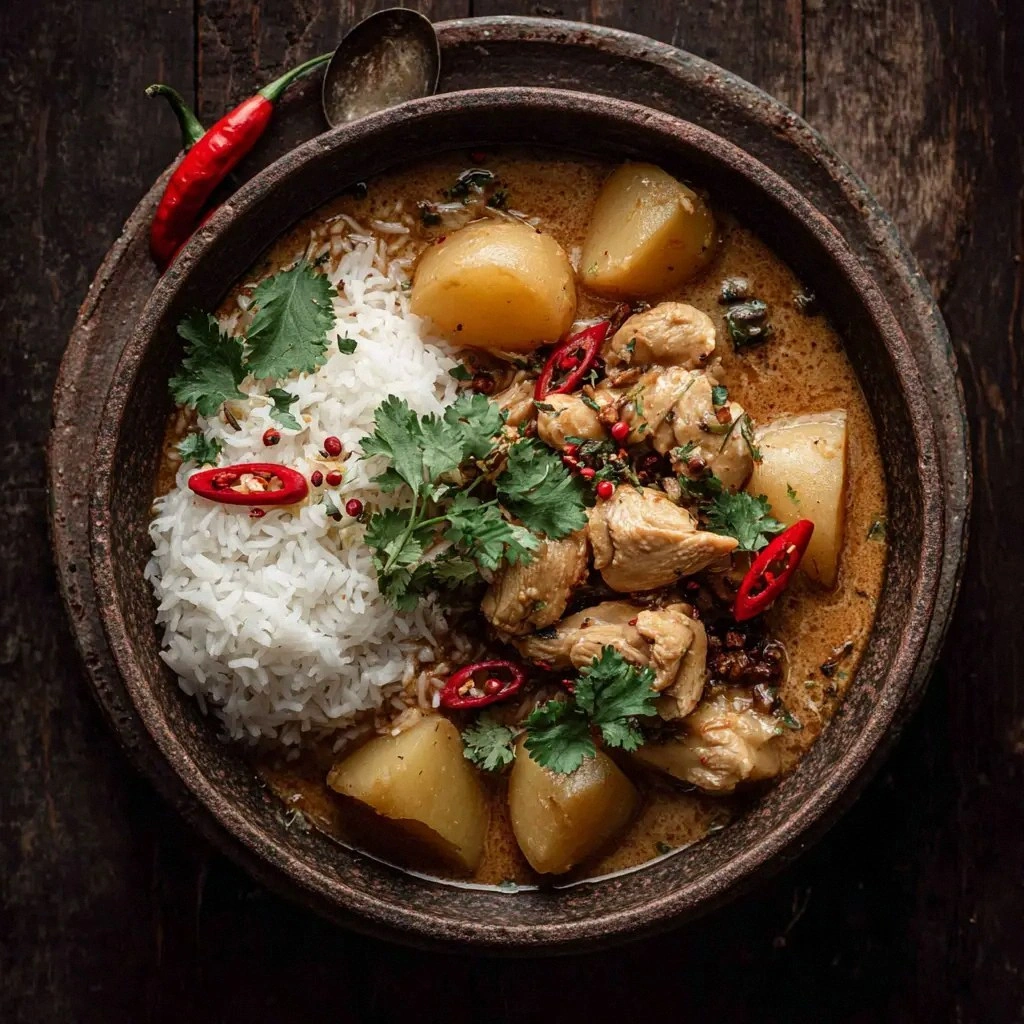
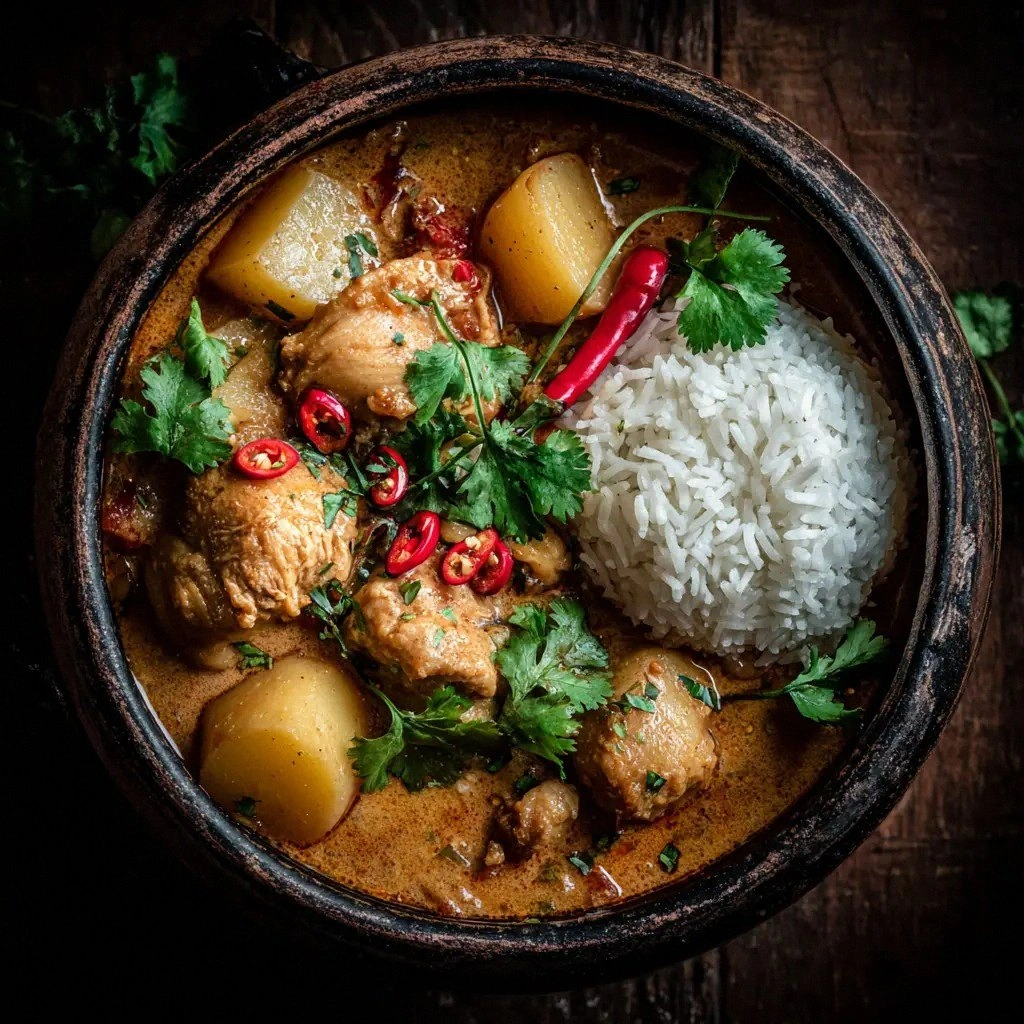
Picture yourself pulling this out of the pot, the whole kitchen smelling incredible, and a ladle of sauce glistening like liquid gold. The aroma alone will have your guests leaning in, wondering what you’re cooking. The visual appeal is undeniable: a golden‑brown broth, flecks of coconut, and specks of roasted peanuts glinting against the creamy backdrop. If you’ve ever struggled to get the right balance of sweet and savory in a curry, you’re not alone—and I’ve got the fix. And now the fun part.
Let me walk you through every single step—by the end, you’ll wonder how you ever made it any other way. I’ll share the exact measurements, the precise timing, and the subtle tweaks that make this dish shine. You’ll learn how to coax the best flavors from each ingredient, how to avoid common pitfalls, and how to elevate a simple recipe into a showstopper. So grab your apron, and let’s dive into the world of Massaman magic.
What Makes This Version Stand Out
- Authentic Flavor: We start with a fresh, high‑quality Massaman paste that carries the true aroma of Thai spices, eliminating the need for artificial enhancers.
- Balanced Sweetness: Palm sugar and tamarind are calibrated to deliver a subtle, lingering sweetness that doesn’t overwhelm the umami.
- Texture Contrast: Thick, buttery sauce meets tender chicken and crisp‑to‑the‑bite potatoes, creating a mouthfeel that’s both comforting and exciting.
- Nutty Finish: Roasted peanuts are incorporated early, infusing the dish with a crunchy, savory layer that adds depth.
- Heat Control: The curry paste is sautéed just enough to release its oils, providing a gentle heat that feels like a warm hug.
- Versatility: This recipe can be made ahead, frozen, or served immediately—ideal for dinner parties or quick weeknight meals.
- Visual Appeal: The golden‑brown broth glistens with coconut milk, while the vibrant green cilantro adds a pop of color.
- Time Efficiency: The entire process takes under an hour, yet the result feels like a restaurant‑grade dish.
Alright, let's break down exactly what goes into this masterpiece…
Inside the Ingredient List
The Flavor Base
The foundation of any great Massaman curry is the aromatics and the paste itself. The yellow onion is diced finely so it caramelizes and releases a subtle sweetness that balances the curry’s earthy spices. Massaman curry paste is the heart of the dish; it contains a blend of cardamom, cinnamon, star anise, and tamarind that delivers depth and complexity. If you skip the paste, you’ll end up with a bland, one‑dimensional sauce that fails to impress. A good rule of thumb is to use a paste that’s at least 80% natural ingredients; this ensures the flavors are bright and not muddled. For those who love a kick, a pinch of crushed red pepper can be added without overpowering the dish.
The Texture Crew
Boneless, skinless chicken thighs provide a juicy, flavorful protein that absorbs the curry’s sauce. Their higher fat content keeps the meat tender and prevents it from drying out during the simmer. Yukon Gold potatoes are chosen for their creamy interior and firm exterior; they hold their shape even after long cooking, adding a comforting, hearty component. Cutting the potatoes into thick wedges ensures they absorb the sauce without falling apart. If you’re vegan, substitute firm tofu or tempeh; just make sure it’s pre‑marinated to soak up the flavors.
The Unexpected Star
Roasted peanuts are more than just a garnish; they contribute a subtle crunch and a nutty richness that elevates the sauce. They also help thicken the broth slightly, creating a velvety mouthfeel. For a nutty alternative, cashews or almonds can be used, but peanuts give the authentic Massaman profile. A quick tip: toast the peanuts in a dry pan until fragrant before adding them to the curry; this releases their oils and enhances flavor.
The Final Flourish
Fresh cilantro and a splash of lime juice finish the dish, adding a bright, herbal note that cuts through the richness. The cilantro is chopped roughly to release its oils, while lime juice brightens the entire sauce, giving it a lively finish. Serve over steamed jasmine rice to soak up the sauce; the rice’s subtle fragrance pairs beautifully with the curry’s depth. If you’re looking for a low‑carb option, try cauliflower rice or a side of sautéed greens.
Everything's prepped? Good. Let's get into the real action…
The Method — Step by Step
- Prep the aromatics: Heat the coconut oil in a large, heavy‑bottomed pot over medium heat. Add the diced onion and sauté until translucent and slightly golden, about 5 minutes. The sizzle should sound like a gentle crackle, signaling the oil is hot enough to release the onion’s sugars. Stir occasionally to avoid sticking. When the onion is ready, the pot should smell sweet and inviting.
- Sauté the paste: Reduce the heat to low and add the Massaman curry paste to the pot. Stir constantly for 1–2 minutes until the paste turns fragrant and its oils separate. This step unlocks the deep, earthy spices and prevents the paste from burning. Watch the color change from dark brown to a lighter, almost caramel hue—this indicates the paste is ready.
- Introduce the liquids: Pour in one can of coconut milk, then stir in the second can, ensuring the mixture is smooth and well combined. Add the tamarind paste, palm sugar, and fish sauce, stirring until the sugar dissolves. The mixture should be thick and glossy, with a hint of sweetness on the rim of the pot. This is the moment when the sauce starts to feel like a silky, luxurious broth.
- Add the protein and potatoes: Place the chicken thighs in the pot, turning them to coat with the sauce. Nestle the potato wedges around the chicken, ensuring they’re partially submerged. The mixture should bubble gently, and the potatoes should begin to soften. Let it simmer for 10 minutes, allowing the chicken to start cooking through.
- Simmer and adjust: Lower the heat to a gentle simmer and cover the pot. Allow the curry to cook for another 20 minutes, or until the chicken is fully cooked (internal temperature of 165°F) and the potatoes are tender yet firm. Stir occasionally to prevent sticking. The sauce should develop a deeper amber tone, and the aroma will be more pronounced.
- Final touches: Stir in the roasted peanuts, giving the curry a nutty crunch and a subtle thickening effect. Add the chopped cilantro, reserving a few sprigs for garnish. Taste the sauce; if it needs more salt, a few drops of fish sauce will suffice. The final broth should be rich, slightly sweet, and fragrant.
- Serve and garnish: Ladle the curry over a bed of freshly steamed jasmine rice. Sprinkle the remaining cilantro on top for a burst of color and freshness. Add a wedge of lime on the side if you like a citrusy kick. The dish should look like a golden, fragrant bowl of comfort, ready to be devoured.
- Optional finishing touch: For an extra layer of flavor, drizzle a teaspoon of coconut oil over the top before serving. The oil will give the sauce a silky sheen and a subtle nutty aroma that elevates the entire dish.
That's it — you did it. But hold on, I've got a few more tricks that'll take this to another level…
Insider Tricks for Flawless Results
The Temperature Rule Nobody Follows
Many cooks keep the heat too high, causing the coconut milk to scorch. Keep the flame low and let the sauce simmer gently; this preserves the delicate flavors and keeps the sauce silky. A quick way to check is to look for small bubbles forming along the edges rather than a rolling boil. If you see a steady, gentle simmer, the temperature is just right.
Why Your Nose Knows Best
Trust your sense of smell; the aroma of the curry should be warm, nutty, and slightly sweet. If it smells more like raw onions, it needs more time. If it’s too strong, let it cook a bit longer to mellow the spices. Your nose is the best judge of readiness.
The 5‑Minute Rest That Changes Everything
After the curry finishes cooking, let it sit covered for 5 minutes. During this brief rest, the flavors marry and the sauce thickens slightly. This step also allows the chicken to finish absorbing the broth, ensuring every bite is juicy.
Peanut Power
Roasting peanuts in a dry skillet before adding them to the curry releases their oils and intensifies the nutty flavor. Toss the peanuts in a pinch of salt before roasting for a subtle savory note that balances the sweetness.
Rice Matters
Cook jasmine rice with a splash of coconut milk to give it a fragrant, slightly sweet undertone that complements the curry. If you prefer plain rice, simply fluff it with a fork and season with a pinch of salt.
Serving Suggestion
Present the curry in a deep, wide bowl to showcase the glossy sauce and golden color. Add a drizzle of coconut oil on top for a glossy finish that invites diners to stir and savor. Pair it with a chilled glass of Thai Iced Tea for a complete experience.
Creative Twists and Variations
This recipe is a playground. Here are some of my favorite ways to switch things up:
Spicy Sriracha Kick
Swap a tablespoon of the Massaman paste for Sriracha to introduce a bright, fiery heat. This variation is perfect for those who love a little burn with their comfort food.
Veggie‑Rich Version
Add carrots, bell peppers, and bamboo shoots to the pot. The vegetables add color, crunch, and a sweet, earthy flavor that complements the curry’s richness.
Thai Basil Infusion
Stir in a handful of Thai basil leaves at the end of cooking. The basil gives the dish a fresh, aromatic lift and a hint of peppery zest.
Cheese‑Topped Delight
Sprinkle shredded coconut or a mild cheddar over the top before serving. The cheese melts into the sauce, adding a creamy layer that balances the coconut milk.
Low‑Carb Alternative
Replace the potatoes with cauliflower rice or zucchini noodles. This keeps the dish light while preserving the hearty, comforting elements.
Seafood Edition
Use firm white fish or shrimp instead of chicken thighs. Cook the seafood just until opaque; it absorbs the flavors quickly and offers a different texture.
Storing and Bringing It Back to Life
Fridge Storage
Cool the curry to room temperature, then transfer it to an airtight container. Store in the refrigerator for up to 4 days. The coconut milk will thicken slightly; give it a quick stir before serving.
Freezer Friendly
Place the cooled curry in a freezer‑safe container, leaving a few centimeters of headspace. Freeze for up to 3 months. Thaw overnight in the fridge before reheating.
Best Reheating Method
Reheat the curry gently on the stove over low heat, adding a splash of water or coconut milk to restore its silky texture. Simmer until hot and fragrant, then serve immediately.
Now that you’re equipped with all the knowledge, let’s dive into the recipe card below. It contains everything you need to recreate this masterpiece at home.