Love this? Pin it for later! 📌
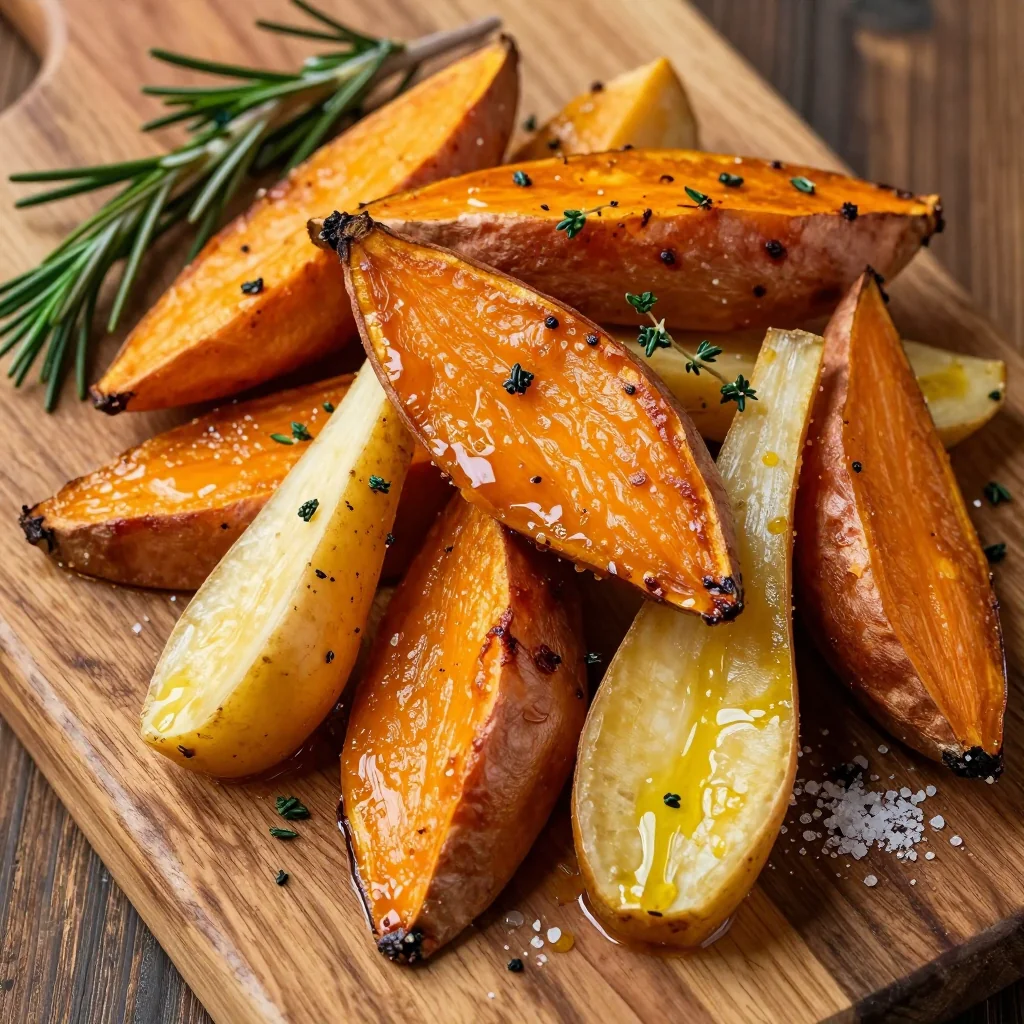
Every January, when the farmers’ market looks more like a still-life painting than a grocery stop, I reach for the knobby, dirt-dusted roots that everyone else side-steps. While summer tomatoes get the glory, these humble heroes—parsnips sweetened by frost, candy-stripe beets, and buttery Yukon golds—carry the quiet magic of winter. Fifteen years ago my grandmother showed me how to tuck rosemary stems under a tangle of vegetables so the resinous oils drift upward and lacquer the edges; the memory still smells like her wool sweater and the crackle of her wood-stove. Today this roast is my go-to for Sunday supper when the light is thin, for Friends-giving when the table groans under mismatched chairs, and for meal-prep Mondays when I want the oven to do the heavy lifting while I answer one more email. If you can peel, chop, and stir, you can master this dish—and your kitchen will smell like a snow-dusted cabin in the best possible way.
Why This Recipe Works
- High-heat caramelization: A 425 °F oven transforms natural starches into golden, crispy edges without drying the interior.
- Maple-mustard glaze: A whisper of sweetness balances earthiness while promoting deeper color.
- Staggered timing: Dense vegetables hit the sheet pan first, so every cube finishes tender at the same moment.
- Herb hierarchy: Hardy rosemary and thyme go in early; delicate parsley finishes fresh for layered flavor.
- One-pan clean-up: Parchment lining means you spend the evening savoring wine, not scrubbing trays.
- Vegan & gluten-free: A crowd-pleaser that leaves no dietary tag behind.
Ingredients You'll Need
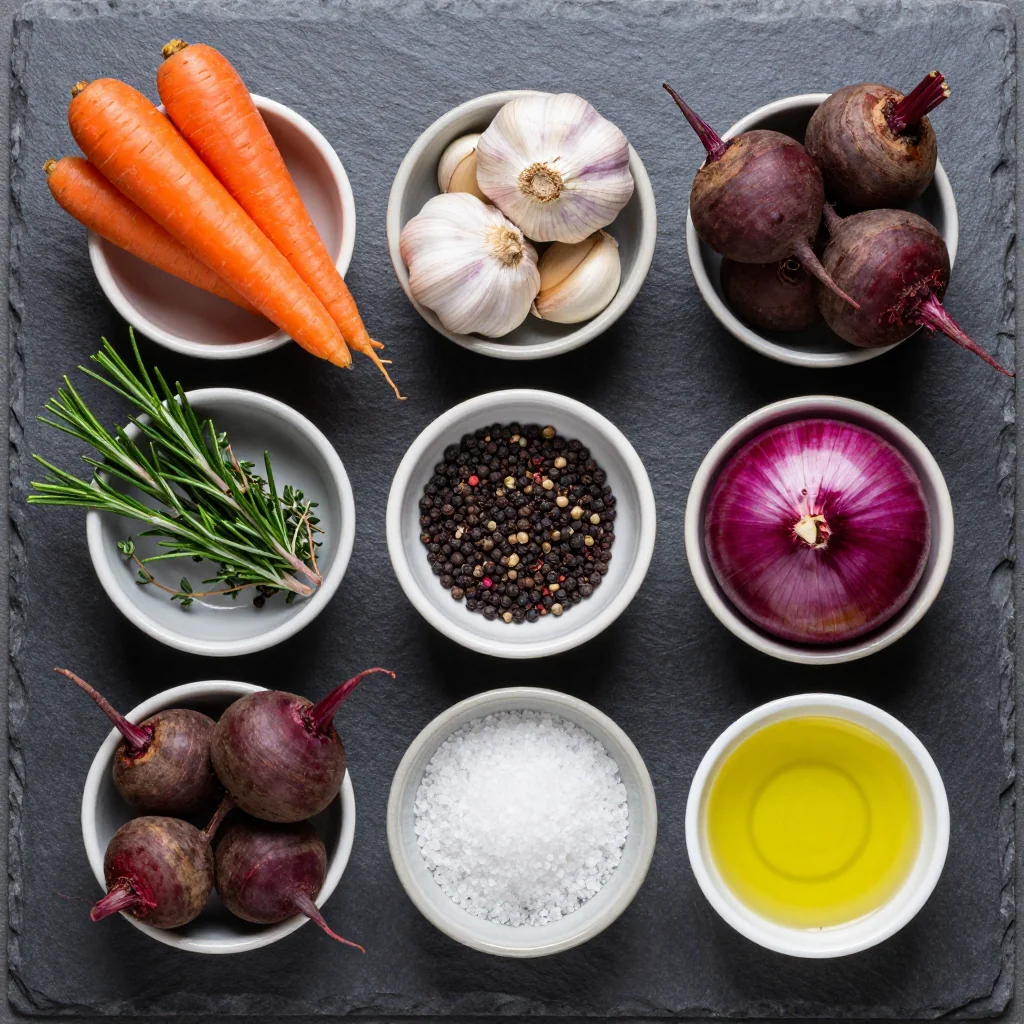
Great roasts start underground—literally. Look for roots that feel rock-solid, with taut skin and no give when squeezed. If the greens are still attached, they should look perky, not wilted. I shop the rainbow: purple-topped turnips, sunset carrots, and Chioggia beets that candy-stripe when sliced. Each vegetable brings a different sugar and starch profile, so the final medley tastes mysteriously complex even though the prep is dead simple.
Parsnips: Seek pale, ivory specimens—no sprouting eyes. Slender parsnips are sweeter; if you can only find fat ones, cut out the woody core. Substitution: If parsnips are scarce, swap in more carrots or add celery root for a nutty note.
Carrots: I mix orange and rainbow varieties for visual pop. Keep them unpeeled if organic; just scrub well. Thin “baby” carrots will overcook, so reach for full-size.
Beets: Golden beets are mellower than red and won’t stain your cutting board. Wrap reds in foil if you want to contain their juices, or embrace the pink marbling on neighboring vegetables.
Potatoes: Yukon Golds strike the perfect middle ground between waxy and floury, turning creamy inside while crisping outside. Baby potatoes can be halved; larger ones should be ¾-inch cubes.
Turnips or Rutabaga: The peppery edge keeps the dish from tipping into dessert territory. Peel thick-skinned rutabaga with a chef’s knife, not a peeler.
Red Onion: Its natural sugars caramelize faster than yellow onions, and the purple rim is gorgeous. Cut into petals so the layers separate and roast quickly.
Fresh Rosemary & Thyme: Woody herbs hold up under high heat. Strip leaves from stems, but don’t toss those stems—slide them under the vegetables for aromatic smoke. Substitution: Dried herbs work in a pinch—use one-third the amount.
Maple Syrup: A dark Grade B syrup delivers robust flavor that stands up to the oven. Honey works, but the vegetables brown faster, so watch closely.
Dijon Mustard: The acidity brightens the natural sugars and helps the glaze cling. Whole-grain mustard adds texture.
Olive Oil: Use a fruity, everyday extra-virgin. You need enough to coat every cube, not drown it—think sunscreen, not bath.
Sea Salt & Fresh Pepper: Coarse kosher salt seasons evenly; crack pepper just before using for maximum punch.
How to Make Winter Root Vegetable Roast With Rosemary And Thyme
Heat the oven & prep the pan
Place a heavy rimmed sheet pan (half-sheet size) on the middle rack and preheat to 425 °F (220 °C). A screaming-hot pan jump-starts caramelization the moment vegetables touch metal. Line with parchment if you want easier cleanup, though direct contact with the pan yields darker edges.
Make the glaze
In a small jar, whisk 3 Tbsp olive oil, 2 Tbsp maple syrup, 1 Tbsp Dijon, ½ tsp coarse salt, and ¼ tsp cracked pepper. Seal and shake until emulsified; set aside. The glaze can be made 3 days ahead and refrigerated—bring to room temp so the oil loosens up.
Prep dense vegetables first
Peel and cube parsnips, carrots, potatoes, and rutabaga into ¾-inch pieces. The goal is equal surface area so they roast evenly. Transfer to a large bowl. Keep beets separate until step 5 if you want color control.
Season in stages
Pour half the glaze over the hard vegetables, add 1 Tbsp chopped rosemary and 1 tsp thyme leaves, and toss with clean hands. The herbs stick better when suspended in oil, giving you an even coat.
First roast
Carefully remove the hot sheet pan. Spread the hard vegetables in a single layer; you should hear a gentle sizzle. Roast 15 minutes. Meanwhile, halve the beets and toss with a spoonful of glaze.
Add quick-cooking vegetables
Stir the partially cooked roots, scooting them toward the edges to make room in the center. Add beets and onion petals, drizzle remaining glaze, and slide back into the oven for 20–25 minutes more.
Test for doneness
A knife should slide through potatoes with gentle resistance; beets should be tender but not mushy. If the glaze threatens to burn before vegetables soften, reduce heat to 400 °F and add a splash of water to create steam.
Finish fresh
Transfer to a warm platter, scraping up the caramelized bits with a silicone spatula. Shower with chopped parsley and an extra pinch of flaky salt. Serve piping hot or at room temperature—the flavors bloom as they mingle.
Expert Tips
Don’t crowd the pan
Overcrowding steams vegetables instead of roasting. Use two pans rather than piling high—half-sheet pans are inexpensive kitchen workhorses.
Oil early, salt late
Salt draws moisture; if added too soon it can inhibit browning. I season lightly at the start, then finish with flaky salt for crunch and pops of flavor.
Flip once, maybe twice
Constant stirring cools the pan. A single flip at the halfway point gives gorgeous contact marks and lets the glaze set.
Overnight flavor bomb
Roast a double batch, refrigerate, and reheat in a skillet the next day. A quick sear in cast iron intensifies sweetness and makes breakfast hash legendary.
Color-coded beets
If serving guests who blanch at pink potatoes, roast beets in a foil packet alongside. Open at the end for a dramatic reveal.
Temperature probe hack
Insert an instant-read thermometer into a potato cube; when it hits 205 °F inside, the vegetables are creamy and caramelized outside.
Variations to Try
- Mediterranean twist: Swap maple for 2 Tbsp pomegranate molasses and finish with a dusting of feta and lemon zest.
- Smoky heat: Add ½ tsp smoked paprika and a pinch of cayenne to the glaze; garnish with toasted pepitas.
- Asian-inspired: Replace mustard with miso, use sesame oil in place of olive oil, and finish with sesame seeds and scallions.
- Protein-packed: Toss a can of drained chickpeas in the last 10 minutes of roasting for crunchy poppers that turn the dish into a vegetarian main.
- Low-sugar: Omit maple and instead whisk 1 tsp balsamic vinegar with 1 Tbsp olive oil for a keto-friendly gloss.
- Root-free: Sub in winter squash (butternut, kabocha) and Brussels sprouts; follow the same staggered timing.
Storage Tips
Cool completely before refrigerating; trapped steam will turn your caramel edges soggy. Transfer to shallow glass containers so the vegetables chill within the food-safety window (two hours). They’ll keep up to five days, though the texture is best within three.
To reheat, spread on a sheet pan at 400 °F for 8–10 minutes. A skillet over medium heat with a splash of broth also works and revives the glaze. Microwave at 70 % power, covered with a damp towel, for 90-second bursts, but expect softer skins.
Freeze in single-layer zip bags for up to two months. Thaw overnight in the fridge, then reheat as above. The beets may bleed a little, but flavor remains intact.
Make-ahead: Cube vegetables and submerge in cold salted water up to 24 hours; refrigerate. Drain and pat bone-dry before roasting—excess water is the enemy of browning.
Frequently Asked Questions
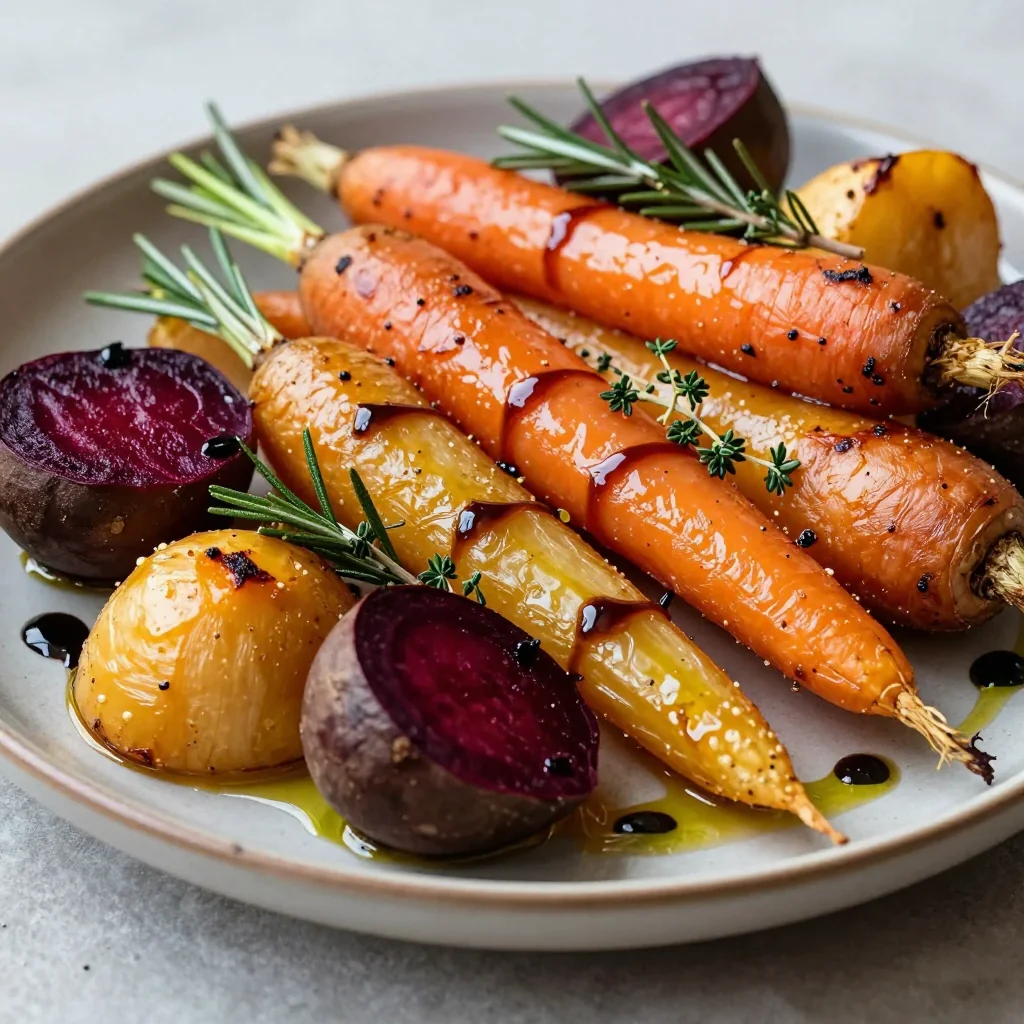
Winter Root Vegetable Roast With Rosemary And Thyme
Ingredients
Instructions
- Preheat & heat pan: Place a rimmed sheet pan on the middle rack and heat oven to 425 °F (220 °C).
- Make the glaze: In a small jar combine olive oil, maple syrup, Dijon, salt, and pepper; shake until creamy.
- Prep vegetables: Add parsnips, carrots, potatoes, and rutabaga to a large bowl. Keep beets separate if you wish to minimize color bleed.
- Season: Pour half the glaze plus rosemary and thyme over the hard vegetables; toss to coat.
- First roast: Carefully spread the hard vegetables on the hot pan. Roast 15 minutes.
- Add remaining veg: Stir, then add beets and onion wedges. Drizzle remaining glaze; roast 20–25 minutes more, stirring once, until everything is tender and caramelized.
- Finish & serve: Transfer to a platter, scraping up the crispy bits. Garnish with parsley and flaky salt. Serve hot or at room temperature.
Recipe Notes
For ultra-crispy edges, broil for 1–2 minutes at the end, watching closely. Vegetables can be cubed and soaked in cold water up to 24 hours ahead; just pat very dry before roasting.